Handling Hedge Cuttings with Ease
Hedge pruning is a vital aspect of landscape maintenance that enhances the aesthetic appeal and health of hedges. Proper pruning encourages dense growth, improves shape, and removes dead or diseased branches. Regular hedge pruning can also contribute to property value and curb appeal, making it a popular service in residential and commercial landscaping.
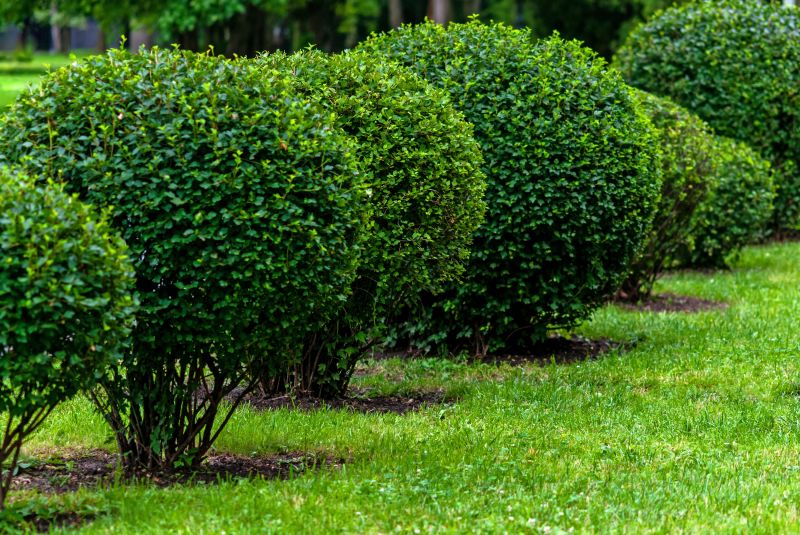
A neatly trimmed hedge showcasing precise shaping and clean edges.
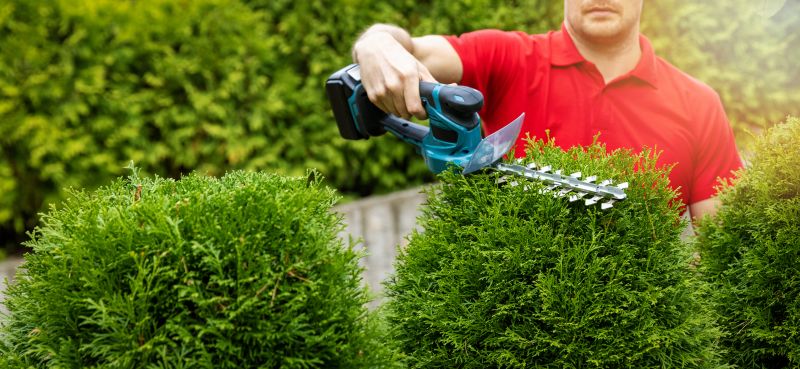
A healthy, vibrant hedge after professional pruning enhances plant vitality.
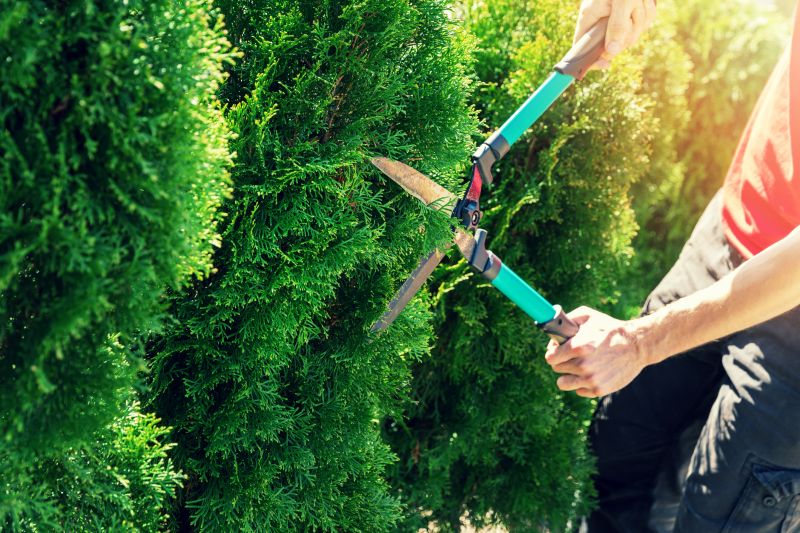
Specialized tools used to achieve detailed and efficient hedge trimming.
Statistics indicate that professional hedge pruning can significantly reduce the time required compared to DIY efforts, often completing large hedges within a few hours. The process involves assessing the hedge's growth pattern, removing overgrown branches, and shaping the foliage to desired specifications. Proper pruning not only improves appearance but also promotes healthier growth by increasing light penetration and air circulation.
The process of hedge pruning typically begins with an evaluation of the hedge's structure. Tools such as hedge trimmers, hand pruners, and loppers are used to trim back excessive growth and define the shape. For larger or more complex hedges, professionals may employ ladders or scaffolding to reach higher sections safely. The procedure ensures the hedge maintains a balanced form and encourages dense foliage.
Hiring a professional for hedge pruning offers several advantages. It ensures the work is performed efficiently and safely, particularly for tall or extensive hedges. Professionals also have the expertise to identify and remove diseased or damaged branches that could compromise the hedge’s health. Regular professional pruning can extend the lifespan of hedges and maintain their visual appeal over time.
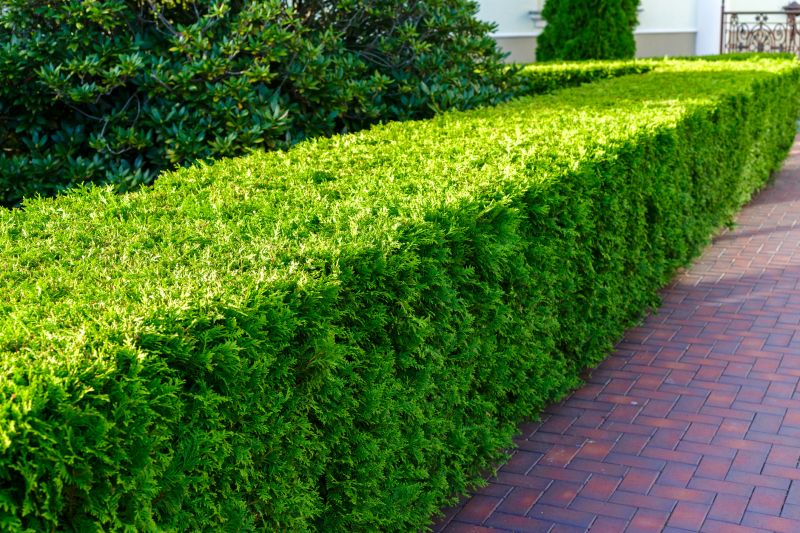
A professionally pruned hedge displaying a symmetrical and polished appearance.
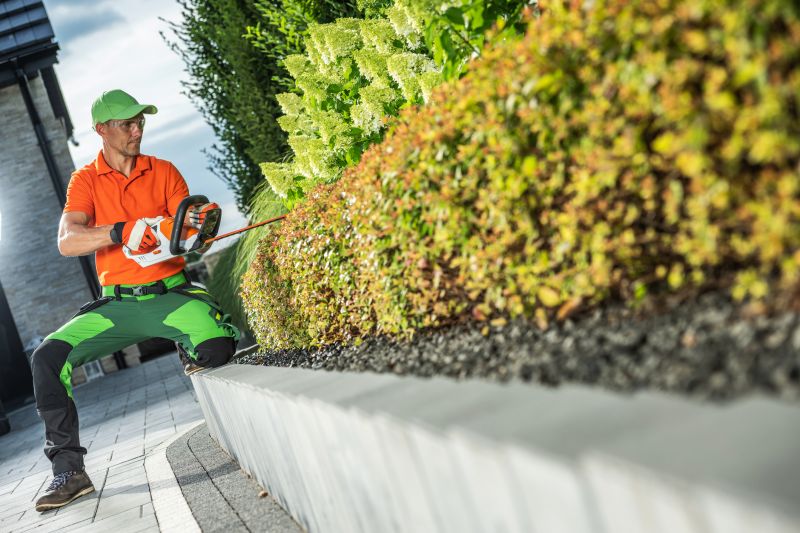
A landscape technician shaping a hedge to meet specific aesthetic standards.
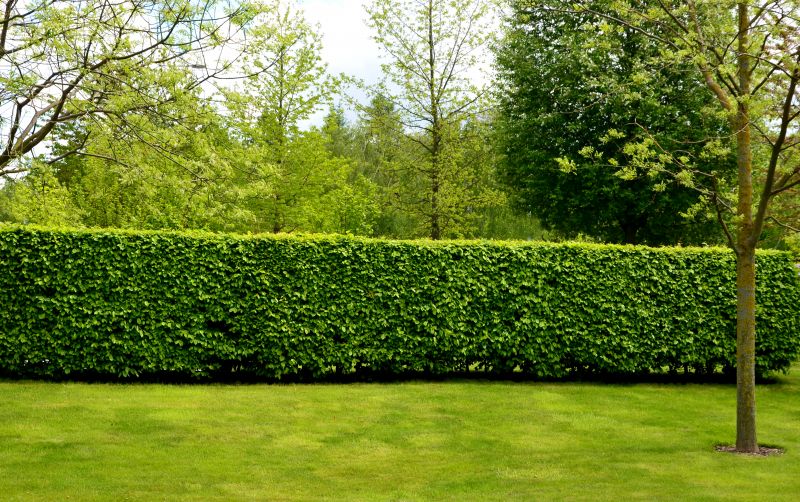
A healthy, well-maintained hedge after professional pruning.
Proper hedge pruning can be scheduled seasonally, with the best times typically in late winter or early spring before new growth begins. This timing allows the hedge to recover quickly and promotes vigorous growth throughout the season. Consistent pruning also helps prevent overgrowth, which can become difficult to manage and may lead to structural issues.
If interested in professional hedge pruning, completing a contact form provides an easy way to request a quote. Detailed assessments can be arranged to determine the scope of work, ensuring tailored solutions that meet specific landscape needs.